
後悔のないマイホームを建てよう!注文住宅で失敗しやすいポイントと対策方法をご紹介!
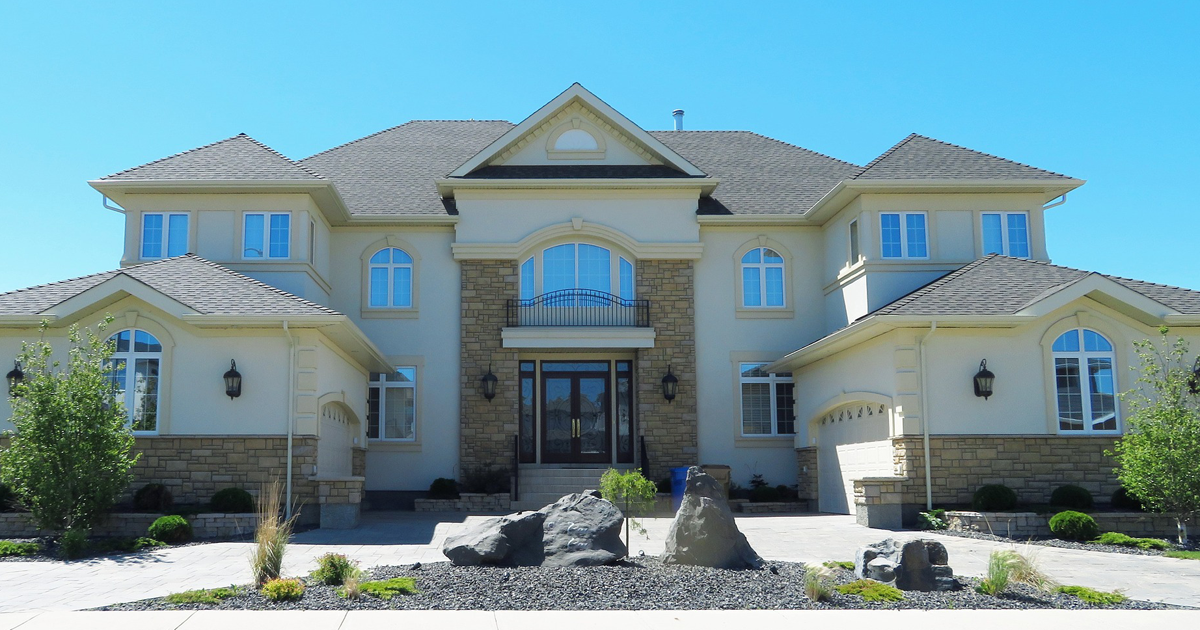
当サイトでは注文住宅で失敗しやすいポイントと対策方法をご紹介しています。後悔のないマイホームを建てるためにも、知っておきたい内容となっています。予算が少なく理想のオーダーメイド住宅を建てられないということもあるでしょう。また住宅のローン返済が重く家計が苦しいということもあるかも知れません。そういったことにならないように、一生の買いものである家を建てる際にはあらかじめ対策を知識として知っておくことが大切です。
-
後悔のないマイホームを建てよう!注文住宅で失敗しやすいポイントと対策方法をご紹介!
- 収納量の不足は注文住宅で一番多い失敗ポイント
- 注文住宅の収納スペースは収納するモノに合わせてサイズを設計
- 開放感を出してくれる吹き抜けや高い天井は注文住宅が寒くなる原因
- 窓やサッシを工夫するだけできる注文住宅の寒さ対策
- 注文住宅に住んでからわかる外部からの視線
- 注文住宅の配置図をチェックしてプライバシーを確保
- 注文住宅の完成後に対策がしにくい生活音
- 注文住宅室内の生活音は緩衝室を配置し軽減
- 注文住宅の悩みで多い設備の高さがあわなくて使いにくい
- 注文住宅の見学会やショールームで設備の高さは確認
- 導入したけど使わない注文住宅の設備
- 注文住宅の設備は本当に必要であるか考える
- 注文住宅の立地で不便で暮らしにくい
- 注文住宅の立地は周辺環境を入念にチェック
- 第二種低層住居専用地域に注文住宅を建てる条件やメリット
- 第一種中高層住居専用地域にふさわしい注文住宅の条件やニーズ
- 第二種中高層住居専用地域に注文住宅を建てるメリットや注意点
- 第一種住居地域に注文住宅を建てる場合のポイント
- 第二種住居地域に注文住宅を建てる条件やメリットそして注意点
後悔のないマイホームを建てよう!注文住宅で失敗しやすいポイントと対策方法をご紹介!
生涯でいくつも購入することが少ないマイホームは失敗しないように気を付けたいものでしょう。
例えば注文住宅を実際に建ててみると、思っていたのとイメージが違ったということがありがちです。
そのため注文住宅を建てるときにはアドバイスをもらい、慎重に検討するのがおすすめです。
また個性的な建物の場合、売却するときに困ることにもなりかねません。
どの程度済むつもりなのかを考えて、万が一手放すときのことも考慮しておくと安心です。
収納量の不足は注文住宅で一番多い失敗ポイント
注文住宅の失敗例で多いのが、収納不足です。
設計段階では十分な収納量を確保していると思っていても、実際に暮らしてみると片付けられないと悩む人は多くいます。
そのためあらかじめ対策として十分なスペースを確保する人もいますが、量が多ければ多いほど良いというわけでもありません。
収納量が多くても使いにくければ結局うまく活用できなくなるので、適材適所を考えるのが注文住宅の失敗を少なくするコツです。
たとえばキッチンの近くには、食材を収納できるパントリーを設けると良いでしょう。
パントリーがあると食材や調味料などキッチンで使うモノを集中して保管できるので、使いやすく快適になります。
クローゼットも収納する衣服やアイテムを考えながら広さを確保すれば、室内がスッキリした印象の注文住宅になるでしょう。
注文住宅の設計を考えるときには、どこに何を収納するのか考えながら設計すると、お片付けをするときに悩むことはありません。
注文住宅の収納スペースは収納するモノに合わせてサイズを設計
注文住宅の間取りを考えるとき、忘れてはならないのが収納スペースです。
寝室・子供部屋・書斎などそれぞれの部屋にはクローゼットなどの収納を設けることになりますが、子供部屋の場合は子供たちが使う道具類を入れる場所で親の持ち物などを入れることはまずありえません。
一方、玄関近くにウォークインクローゼットを設ける場合は、普段の生活の中で使う道具よりも外出するときに持っていく釣り道具・ゴルフ用品・スキー用品・アウトドア用品など、比較的サイズが大きなものを保管する場所として注文住宅で収納を作るケースは多いはずです。
このように、注文住宅の収納スペースはどのようなモノを保管するのか、モノの大きさに合わせて収納サイズの設計を行うことが大切です。
キッチン周りなら小物が多くなるので、それを入れたときには取り出しやすさを重視する、これに加えて食材などを保管する場合は賞味期限があるので期限が短いものを手前に置いておくなどの工夫も大切です。
開放感を出してくれる吹き抜けや高い天井は注文住宅が寒くなる原因
注文住宅で家を建てるとき、家族が集まるリビングはゆっくり過ごすためのいろいろな工夫を行う人は多いといえます。
ゆっくり過ごせる部屋は窮屈さがなく開放感がある空間、このような理由から吹き抜けを設けたり天井を高くしたり空間を広げる工夫を取り入れた注文住宅が理想です。
天井が高くて吹き抜けがある、これは2階までの高さの天井になるので開放感としては十分なものになりますが、その反面エアコンの効き目が悪くなるデメリットもあります。
夏場などは天井にファンを取り付けたものを回しておけば部屋全体を快適な温度に変えてくれますが、暖かい空気は上に上昇する性質があるので冬場の寒い季節は足元が寒くなり勝ちです。
一見、吹き抜けやロフトを作るなどの方法は空間が広がり広く見せることができるけれども、これらの施工は注文住宅が寒くなる要因に繋がるので、床暖房を使うなど寒さ対策にも視野を広げた形で注文住宅の家づくりをすることが大切です。
窓やサッシを工夫するだけできる注文住宅の寒さ対策
寒さは窓から室内に入り込むので、注文住宅の設計ではサッシの性能を重視する必要があります。
複層ガラスを使っている窓を選ぶことが、年間を通して快適に生活できる住まいを実現するための基本です。
地域に密着した工務店であれば、気候風土を考えて性能面で優れた注文住宅のプランを示すことができます。
一方で最新の建築資材を活用するハウスメーカーは、建物全体の断熱性に優れた住宅を建築することが可能です。
複数のメーカーや工務店の技術力を比較するのが、施主の要望にマッチした依頼先を見つけるコツです。
また室内を明るく快適にするためには、大きな窓を取り付ける必要があります。
更に狭小地で住まいを建てるケースでは、プライバシーも重視して窓のレイアウトを考えることが大切です。
実績が豊富なハウスメーカーは、様々な条件を総合的に考えて手ごろなプランを提案してくれます。
複数のメーカーのサッシを取り扱う会社を選ぶと、電気代やガス代を節約できる家を建築することが可能です。
注文住宅に住んでからわかる外部からの視線
自由設計の注文住宅であれば間取りも自由自在にプランニングできますが、見た目のデザインばかりに気を取られると、入居してから後悔することにもなりかねません。
例えばプライバシー対策もその1つでしょう。
特に注文住宅を希望する方の中には、建築予定地が大通り沿いにあったり、住宅密集地で隣家との距離が至近など、このようなケースもあるはずです。
このようなケースでは間取りの設計段階でしっかりと検討しないと、入居後に外部からの視線が気になって、注文住宅で望んだ快適な暮らしを損なう結果にも。
それでは外部からの視線対策には、どのようなものがあるのでしょうか。
まず間取りでは、通行人の往来が激しい方向に納戸を設置したり、1階部分は玄関と駐車スペースだけにして、2階以上にリビングや寝室などの居住スペースを集める、さらには中庭のある住まいにして、囲むように居住空間を作るといった、様々な工夫が考えられます。
この他にも道路側にある部屋の窓の位置は高めにする、あるいは小さいタイプや曇ガラスを設置するなど、厚めの遮光カーテンを設置するなど、インテリアからプライバシー対策をすることも有効です。
注文住宅の配置図をチェックしてプライバシーを確保
注文住宅の建築プランを具体化するプロセスでは、動線や断熱性などを重視するのが一般的です。
しかし休日には家族が一緒に過ごす時間が長くなるので、プライバシーを重視したプランを選ぶ必要もあります。
事前にハウスメーカーが提示する複数の配置図を比較すると、快適に家族が暮らせる注文住宅のプランを選べます。
特に家族一人一人が独立した個室を持てるプランは、プライバシーを十分に確保できるのが魅力的です。
ところが十分な敷地が確保できない都市部では、個室を確保するのが難しい場合も多いです。
狭小地向けの建築に強い会社で相談すると、土地を有効に活用して機能的な住まいを実現することが可能です。
三階建てで無駄なスペースを作らないことが、大都市で家族全員の部屋がある住まいを実現する最善の方法です。
防音性にも優れた建物であれば、住宅が密集した地域でも十分にプライバシーを確保できます。
資料を取り寄せて性能を比べると、最適な注文住宅の建築プランを選べます。
注文住宅の完成後に対策がしにくい生活音
注文住宅は設計の自由度が高いため、間取りも自由自在にプランニングすることが可能です。
しかし見た目のデザインや思いつきだけでプランニングしてしまうと、完成後に不都合な部分が目立ってしまい、後悔することにもなりかねません。
例えば生活音のこともその1つでしょう。
キッチンでの洗いやトイレを流す際の排水音、お風呂に入った時のシャワー音、あるいは洗濯機が使用中であれば機械音だったり、夏場や冬場に長時間稼働しているエアコンの室外機の音など、年間を通じて多種多様な生活音があります。
もし寝室の上からトイレの排水音やシャワー音が聞こえたり、リビングの外からエアコンの室外機の音が聞こえたらどうでしょう。
きっとうるさい音が気になって、せっかくの注文住宅の暮らしも台無しになるに違いありません。
このようなリスクを回避するならば、注文住宅の設計段階で、音漏れ対策を工夫することが求められます。
また間取りの配置に加え、遮音性に優れた建築素材を使用することも、音漏れ対策には有効です。
注文住宅室内の生活音は緩衝室を配置し軽減
新築の家が建った後、その家には小さなお子さんが要るのでフローリング床の上を走り回ると音が聞こえてうるさく感じることがある、このような経験を持つ人も意外と多いのではないでしょうか。
マンションなどの場合は階下に住む人がいるので、子どもには走り回らないようにしつけるけれども注文住宅の家の場合は思い切り家の中でも走り回れるよう間取りを考える人は多いといえましょう。
意外と一戸建て住宅でも生活音が気になることがありますが、緩衝室を配置することで気になる音を軽減させることができます。
注文住宅の家の中でも高断熱高密の家は家の防音性や遮音性が高いので、音を遮る特性があり外からの音が家の中に入らないのと同じく室内の音が外に出にくくなります。
このとき、冒頭で説明したような近隣の家からの生活音が聞こえることはないのですが、室内にいる他の家族が生活音が気になりやすくなります。
特に、木造住宅で吹き抜けやロフトなど空間を広くする間取りがある場合は反響しやすいといいます。
注文住宅の悩みで多い設備の高さがあわなくて使いにくい
注文住宅購入でよくある失敗が、設備の高さが合わないため使いにくいということです。
人それぞれ身長差があるため、人によって使いやすい設備の高さは異なります。
そのため、検討段階できちんと普段使うことを考える必要があります。
この失敗は、十分に設備のことまで感がえていなかったから起こることです。
検討を十分に行えば避けられたことなので、これから注文住宅を購入する方は気をつけるようにしましょう。
設備を検討する時に予算やメーカーなどに目が行ってしまい、使うことに関する検討が疎かになるのが原因でしょう。
そうならないように、チェックする項目は事前に決めてそれに沿って検討することをおすすめします。
感覚で決めるのではなく、チェックリストに沿って条件に当てはまるかを考えていくこととなるため、見落としをなくすことができます。
一度購入して施工が済めば、またコストをかけないと内部は変更できませんので、お金の無駄にならないよう慎重になるべきです。
注文住宅の見学会やショールームで設備の高さは確認
これから注文住宅の建築を考えている場合、事前にどのような情報を手に入れたら良いでしょうか。
できれば経験の数を増やすのが1番ですが、何度も注文住宅を建築すると言うわけにはいきません。
よほどのお金持ちか、あるいはいろいろな事情でお金がある場合であれば良いですが、ほとんどの場合一生涯生きて1度か2度になるでしょう。
そうすると、いくら住宅の建築は3回ぐらい行った方が良いと言う格言があるにしても、実行できなければ意味がありません。
それを補うような形で行うべきはやはり、知識と見学会等に行き実際の住宅とはどのようなものかを見ておくことです。
見学会に行く理由と言うのは、パンフレットや動画あるいは画像等で見るのと異なり空間を認識できることになるかもしれません。
実際に建物の中に入っていれば、パンフレットの中ではわからなかったことがわかるわけです。
例えば天井の高さなどがこれに該当するだけでなく、収納の広さ等も手に取るようにわかることになります。
導入したけど使わない注文住宅の設備
注文住宅を建てる際に付けたものの、そのままほとんど使っていない設備というのは意外と多いです。
事前に使わないと分かっていれば設置せずに予算を抑えることが出来ます。
注文住宅で導入してから意外と使わないものの1つはベランダです。
ベランダから外を見たり、洗濯物を干したりと用途が多いように見えますが、昨今では防犯対策を兼ねて外干しをやめるオタクが増えています。
また、外を見るにしても玄関や窓で十分といったケースがあります。
中にはベランダで過ごすのが好きといった人もいるので、あくまで人それぞれと言えるでしょう。
書斎も付けなくてもよかったと言われやすい設備です。
元々は仕事をするためのスペースとして一定の人気がありました。
ところが、実際にはリビングや自室で仕事が出来るので書斎は物置のようになってしまうという方が珍しくありません。
そうなるのであれば、何もない空間にしておいた方がコスト面でもメリットがあります。
注文住宅の設備は本当に必要であるか考える
注文住宅の家づくりで一番楽しい時期は、プランを決めているときかもしれません。
設計士に希望を伝えそれが形になっていくので、テンションも上がってしまうでしょう。
そんなときに設計士から設備の提案をされたら、より魅力的に思えて是非とも取り入れたいと思うかもしれません。
しかしよく考えずに取り入れた設備というのは、注文住宅の完成後に後悔する原因になりかねません。
注文住宅を建てた人の意見をチェックしてみると、この設備はいらなかったと後悔している人が多くいます。
たとえばキッチンで一般的な勝手口は、あるとゴミを外に出したいときに便利そうです。
ですが実際に暮らしてみると勝手口から出入りする機会は少なく、冬は風が履いてきて寒いといった意見も少なくありません。
このように必要性について真剣に考えずに決めてしまうと、後悔するポイントが増えてしまいます。
後悔するポイントが多いと注文住宅の満足度は下がるので、一時のテンションに惑わされず必要性をよく考えましょう。
注文住宅の立地で不便で暮らしにくい
注文住宅のデメリットは、立地の利便性です。
首都圏なら都心は土地価格が高額なため、一般的な人々で注文住宅を建てられる土地は買えません。
土地だが高くなると建築費を抑える必要があり、理想とはかけ離れてしまうでしょう。
そのため首都圏で注文住宅を建てるときは、郊外で土地を探すのがお一般的です。
郊外なら都心よりも土地価格が安いため、一般的な所得の人々でも購入可能です。
建築費にもお金をかけられるので、理想に近づけた住まいが完成します。
しかし郊外は都心と比較すると、交通アクセスの点では不利です。
大手不動産会社が一体的に開発しているエリアなら生活に必要な施設はそろっていますが、都心に通勤している人は不便な生活を強いられます。
通勤時間が長いとそれだけ他のことに使える時間が減り、暮らしにくいと感じることもあるでしょう。
現在の土地価格では都心に理想の注文住宅を建てるのは難しいので、不便な立地を選ばざるを得ない点には要注意です。
注文住宅の立地は周辺環境を入念にチェック
土地を持っていない人が注文住宅を建てるなら、まず最初にするが土地探しです。
価格や面積など基本的な情報をもとに条件を絞り込み、その他の要素も考えながら探してきます。
注文住宅の土地選びで最も重要になると言っても過言ではないのが、周辺環境です。
周辺環境は通勤や通学、日常生活とさまざまな部分にかかわってくるので、入念にチェックして購入しなければいけません。
たとえば最寄り駅までの所有時間に関しても、物件情報に書かれている時間が性格とは限りません。
時間帯や曜日によっても所要時間は変わるので、実際に歩いて時間を計ってみたり、条件を変えて確かめるのがおすすめです。
時間帯や曜日などの条件を変えるのは、日当たりや風通し、人通りなどをチェックするときにも有効です。
日当たりや風通しは時間帯によって大きく変わりますし、人通りも平日と土日では全く違います。
注文住宅の環境は後から変えることができないので、立地は徹底的に調べ上げてください。
第二種低層住居専用地域に注文住宅を建てる条件やメリット
第二種低層住居専用地域とは、主として低層の戸建住宅や共同住宅の用途に特化された、都市計画法に基づく地域区分の一つ。建ぺい率は60%以下、容積率は200%以下、高さ制限は10m以下と定められており、注文住宅を建てる場合もこれらの条件をクリアすることが求められます。第二種低層住居専用地域の傾向としては、比較的静かで落ち着いた自然豊富な環境が多いこと。そのため豊かな自然を身近に感じながら、子育てや高齢者に適した注文住宅の暮らしが期待できます。他方で、第一種低層住居専用地域と異なるのが、店舗や事務所などの併用住宅を建てることも可能である点です。閑静な暮らしと同時に、ちょっとしたお買い物をしたい、将来的には自宅に小さいオフィスを構えたいなど、このようなニーズに応えることが可能です。ただし建築物の高さや容積率などの制限が比較的厳しいため、設計の自由度が高い注文住宅には不向きなケースがあるかもしれません。
第一種中高層住居専用地域にふさわしい注文住宅の条件やニーズ
第一種中高層住居専用地域とは、都市計画法に基づく用途地域のひとつ。この地域では建ぺい率は50%以下、容積率は200%以下、高さ制限は20m以下と定められており、中高層の住宅を建てることを目的としています。このような第一種中高層住居専用地域にふさわしい注文住宅の条件やニーズとしては、まず採光や通風を確保できる間取りが考えられます。例えば南向きの窓やバルコニーを多く設けた間取り、あるいは各部屋に窓を設けることで、昼間は自然光を十分に取り入れるなど、採光性や風通しのための様々な工夫が可能です。耐震性や省エネ性の高い構造であることも、この地域の注文住宅に求められる条件でしょう。中高層の建物では、地震や台風などの災害に備えて、耐震性の高い構造を採用する必要があります。また、近年は省エネ性能も重視されており、断熱材を充実させた構造が採用されるケースも珍しくありません。もちろん、家族構成やライフスタイルによって、最適な間取りや構造は異なります。注文住宅を検討する際には、建築会社や設計士に相談しながら、自分たちの理想とする住まいを実現することが肝心です。
第二種中高層住居専用地域に注文住宅を建てるメリットや注意点
第二種中高層住居専用地域とは、都市計画法で定められた用途地域の一つです。この地域では戸建て住宅だけでなく、中高層のマンションや大型商業施設まで、規模の比較的大きい建築物も認められている点に、大きな特徴があります。具体的には建ぺい率は30~60%、容積率は100~300%、高さ制限は12~20階程度となっています。第二種中高層住居専用地域に注文住宅を建てるメリットとしては、建ぺい率や容積率そして高さ制限が比較的緩やかなので、広々とした間取りを設計したり、3階建て以上の眺望に優れた、階数の高い住宅を建築することが可能なことです。また周囲にも規模の大きめな商業施設や事業所が集まっているため、日常生活での買い物に便利なことや、職場へアクセスしやすいなど、様々なメリットが考えられます。その反面、利便性の高いエリアなので、土地代を含めて建築コストが高くなる傾向があります。さらに高さ制限も緩いため、周囲の高層建築物による騒音や振動の影響を受けやすいことも、この地域に注文住宅を予定するならば忘れてはならない注意点と言えます。
第一種住居地域に注文住宅を建てる場合のポイント
第一種住居地域は、住環境を保護するための地域です。規模の大きくない店舗や事務所も建てることのできる地域であり、住居は約7割程度を占めます。店舗や事務所が残りの3割程度となっており、混在しているための利便性が高くて済みやすい場所と言えます。そのような場所に注文住宅を建てれば、日々の生活も快適なものになるはずです。このような用途地域では、地域ごとに建物の用途や広さが制限されており、第一種住居地域も細かく設定されていますので、注文住宅をつくる時には必ず確認しなければなりません。建ぺい率や容積率も決められており、家づくりが難しくなると感じるかもしれませんが、各自治体等が定める規定によって軽減されたり緩和措置が取られていることもあるため、実際に建てる自治体の決まりを確認することも大切です。注文住宅をつくるための土地探しでは、不動産会社に詳しい情報を聞いて注意点等も説明してもらえば安心して購入できます。
第二種住居地域に注文住宅を建てる条件やメリットそして注意点
第二種住居地域とは、都市計画法で定められた用途地域の一つ。建ぺい率は60~80%、容積率が200~400%、高さ制限は10メートルまたは20メートルで、これは第一種住居地域に比べると、住宅や建築物の制限が緩やかと言えます。この地域に注文住宅を建てるメリットとしては、敷地面積が広いため、ゆったりとした住宅の建築が可能なこと。そして建築物の高さ制限が緩やかなので、2階建てや3階建てなどの中高層住宅の建築が可能なことも、メリットとして見逃せません。邸宅風の大型な住宅や、二世帯の住宅を希望するならば、第二種住居地域の土地を選んでもよいでしょう。その反面、敷地面積が広いため、土地代が高額になる可能性があることや、建築物の高さ制限が緩やかなので、周囲の景観や環境に配慮する必要があるといった点は、注意が必要です。いずれにしても、第二種住居地域に注文住宅を予定するならば、これらのメリットや注意点をよく理解した上で、自分たちの理想や希望に見合った設計そして施工を行うことが求められます。